2024 · Short
Director · Writer · Producer
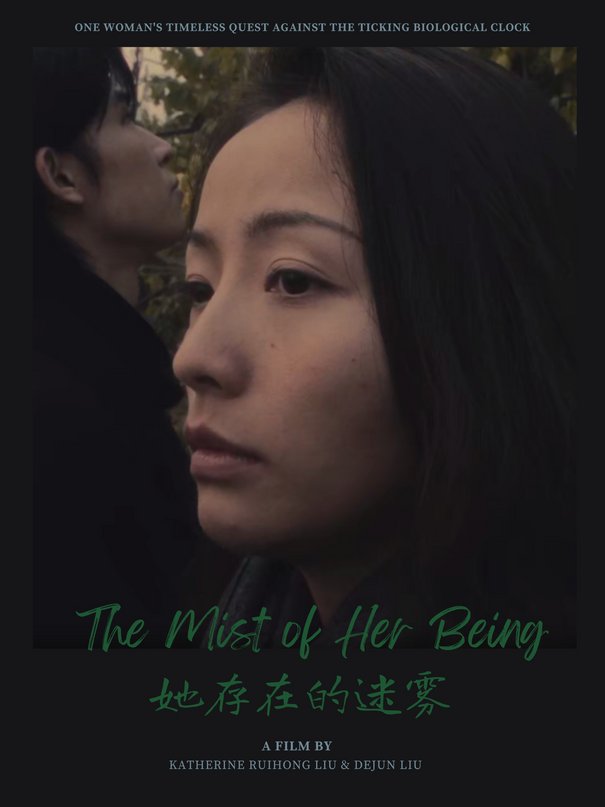
The Mist of Her Being
她存在的迷雾
Drama
Selfhood
Biological Time
Stories about women, distance, memory, and becoming. Built at the intersection of cinema, technology, and Asian narratives.
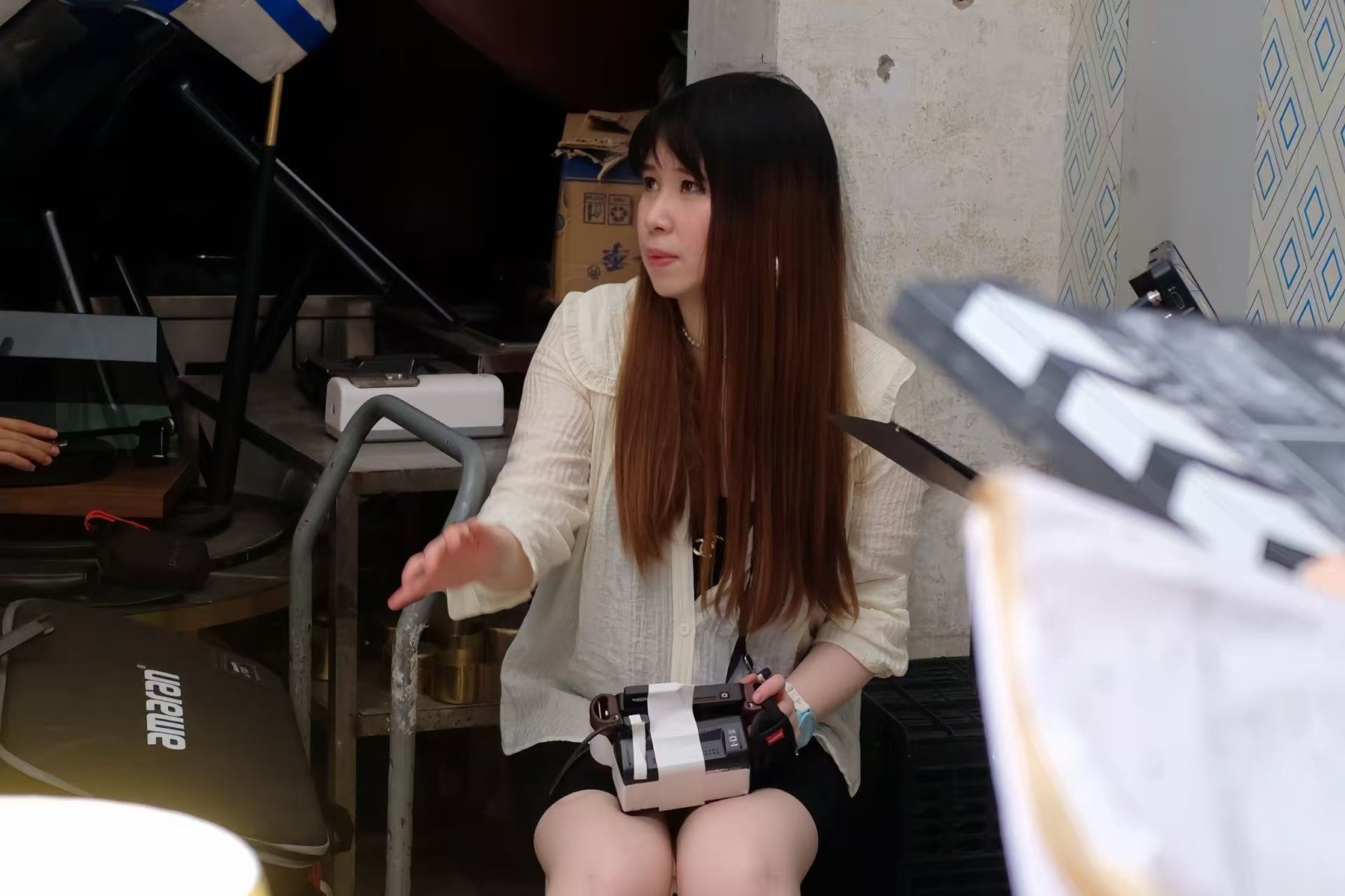
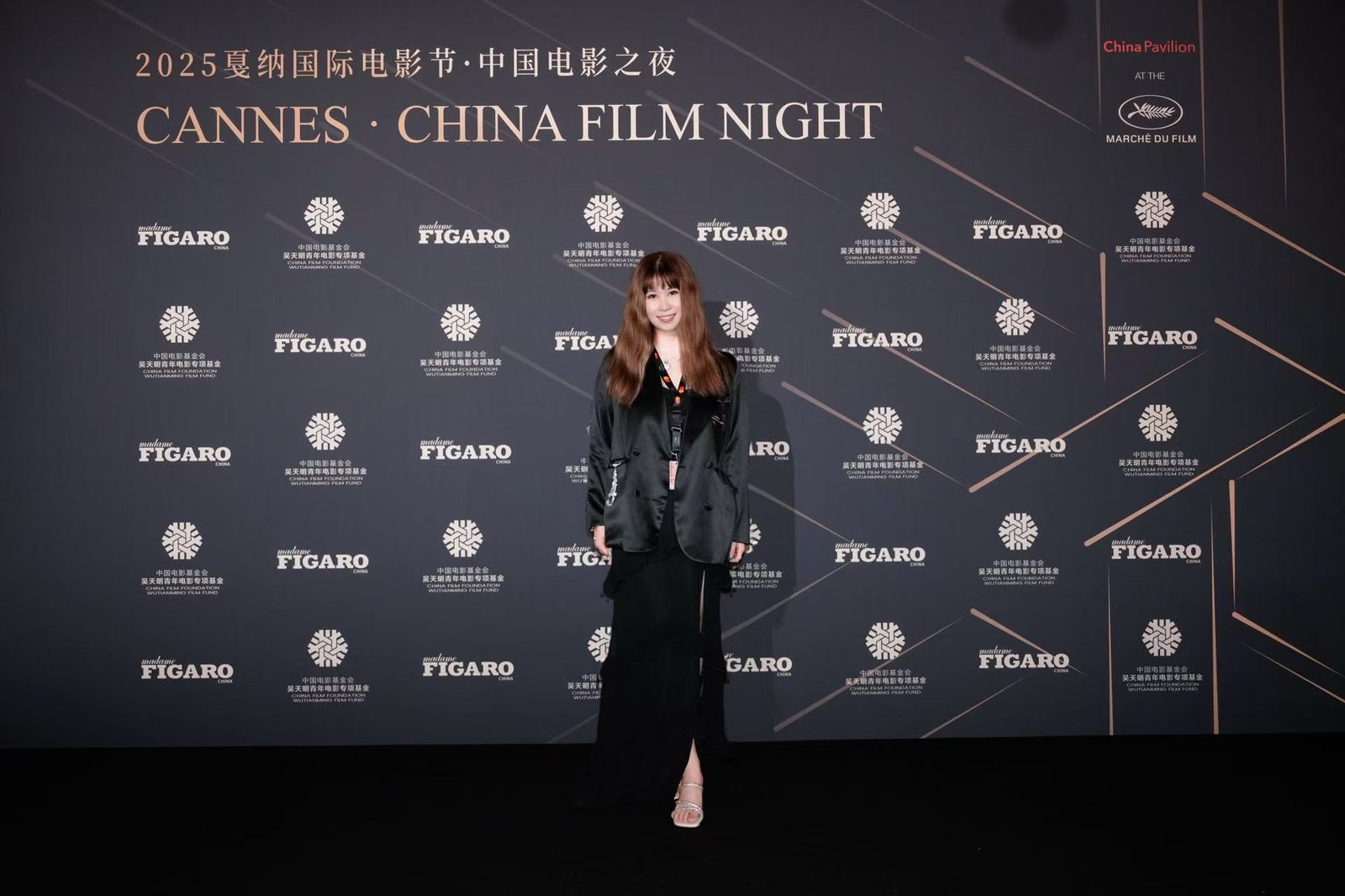
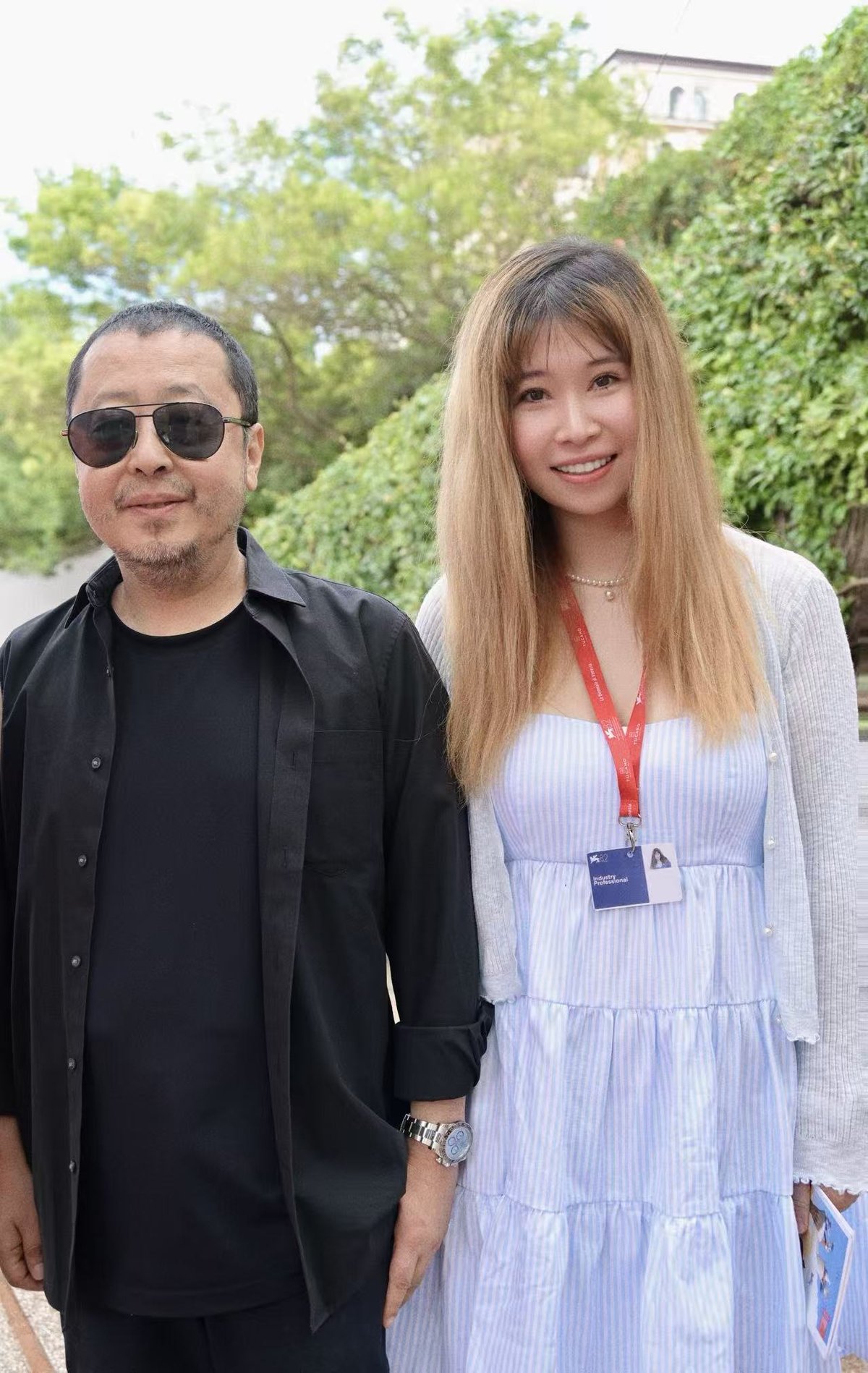
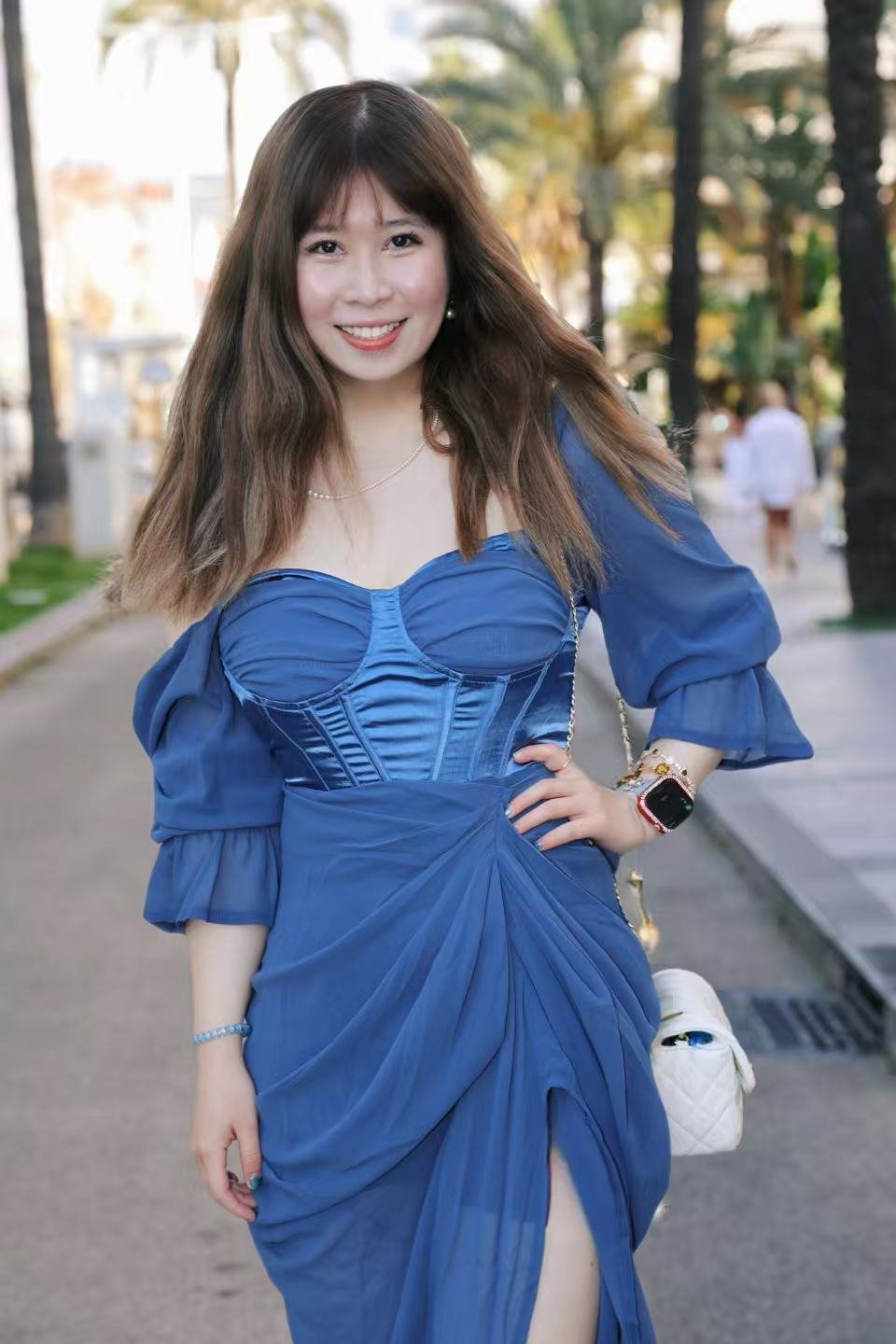
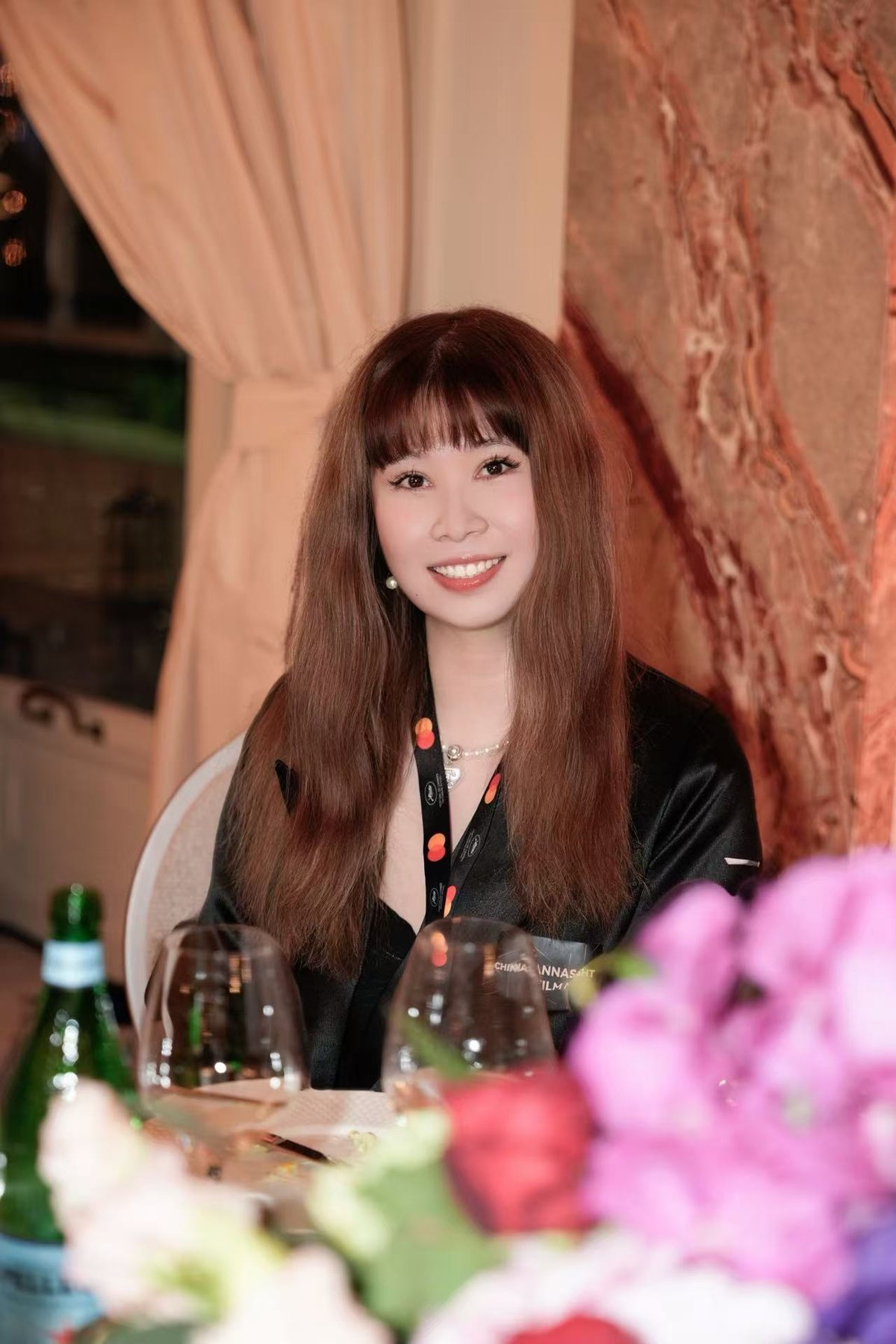
Katherine Ruihong Liu is a writer-director, producer, and strategist. Born and raised in China, educated in the United States, and now based in San Francisco — though every narrative film she has made to date was shot in Chongqing, the city that continues to shape her visual language.
Her work is character-driven and emotionally grounded — stories of women navigating social expectation, emotional transition, and personal agency. She is drawn to memory, self-discovery, and the quiet cost of love and ambition; to lives lived between cultures, between cities, between who one was and who one is becoming.
Alongside her creative practice, she has spent years in product and monetization strategy at TikTok and BCG — thinking about content, attention, and how stories travel through the systems that shape them. The two practices feed each other. She is currently developing her first feature, Ongoing Ending.
She is also actively exploring how AI can expand the language of cinematic storytelling — and how the next generation of tools might place the craft of cinema into many more hands. Working as an AI filmmaking explorer, she cares about empowering more people to tell stories that have never been told before.
“We do not always lose our dreams in one dramatic moment. Sometimes we lose them through a series of reasonable choices.”
But are dreams really lost? Or do they continue, in another form? In kintsugi, the broken bowl is mended with gold — each crack made visible, each piece more itself, not less. The shape changes; the practice does not. We meet what comes, solve what we can, keep growing, keep dreaming.
Ang Lee said the soul of cinema lives in single moments. Whatever shape the next form takes — what I want is to create more of them.
Shaping the future of storytelling — and making impact through the moments inside it.
Even after everything — the choices that didn’t go where we hoped, the people who passed through, the years that asked too much of us — there is still light to walk toward. Our parents’ care taught us how to be loved. The films we watch teach us how to feel. The cities we move through teach us who we are becoming. To keep writing, to keep filming, to keep dreaming is, in the end, an act of trust: that the best of this life is still ahead of us, and that we can meet it as ourselves.
Festivals, the feature in development, writing, and past films are private. Enter a password to continue.
Exploring how AI, short-form video, and emerging creative tools may open new pathways for emotionally resonant cinematic storytelling — especially the kind rooted in Asian emotion and female interiority.
The medium of cinema is changing. Attention has moved. Distribution has moved. Tools that once required studios now sit on a laptop. The interesting question is not whether cinema survives — it is what cinema can become, and who finally gets to author it.
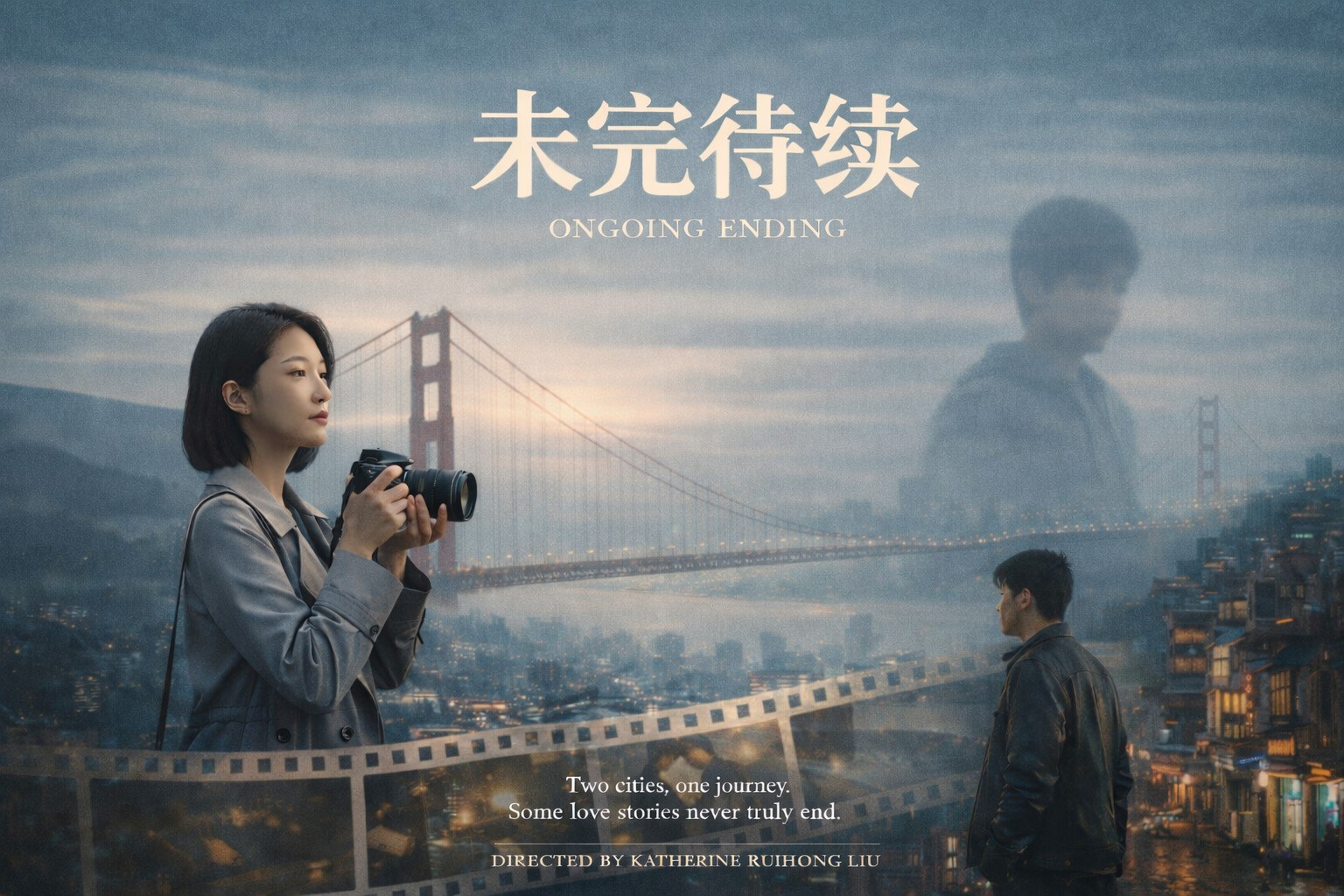
Across San Francisco and Chongqing, a young woman revisits a love that once defied distance but not the world — discovering, through filmmaking and the quiet work of living, that love alone cannot overcome differences of upbringing, expectation, or fate; yet the courage to keep dreaming can.
A short visual study toward Ongoing Ending — directed and produced by Katherine.
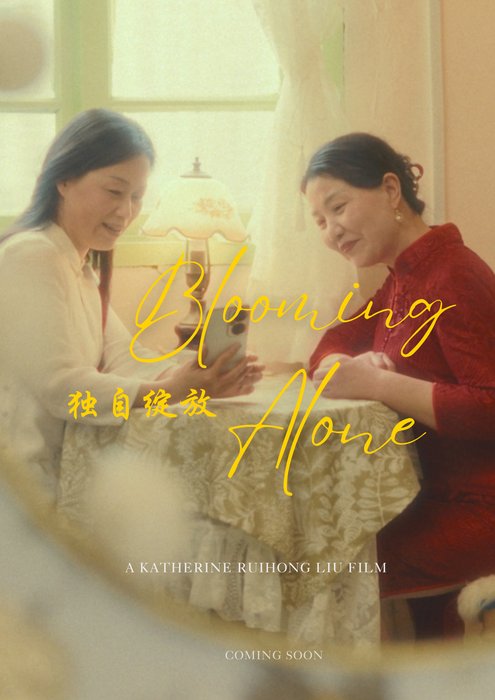
Four short films, all shot in Chongqing — women navigating thresholds between love and reality, family and freedom, memory and becoming.
Screening links available upon request.
For film, creative, strategy, or storytelling collaborations — and for the kinds of conversations that don't yet have a name.
“We do not always lose our dreams in one dramatic moment. Sometimes we lose them through a series of reasonable choices.”
— but are dreams really lost? Or do they continue, in another form? Kintsugi: the broken bowl is mended in gold, each crack made visible, each piece more itself, not less.
On dreams, family, practicality, love, and the right to become the protagonist of one’s own life.
My writing returns to the space between dreams and reality — especially how women navigate love, family, ambition, class, and practicality while trying to become the protagonists of their own lives.
I am drawn to the quiet choices that shape a person’s destiny: leaving a city, ending a relationship, choosing stability over desire, delaying a dream, or slowly realizing that the life others call “better” may not be the life one truly wants.
Female growth, to me, is not simply about becoming stronger. It is about becoming honest — honest about longing, compromise, grief, ambition, resentment, and the desire to choose oneself without guilt.
I believe everyone deserves to become the main character of their own life. Not by winning everything, but by reclaiming the right to tell their own story.
Many people’s dreams are not destroyed in a single catastrophic moment. They are slowly reshaped by daily, practical decisions: choosing a more stable job, choosing the city with better prospects, choosing the life path parents recognize as “correct,” choosing to set aside a love that won’t be approved, choosing to delay the thing one really wants to do. These choices are not necessarily wrong; often they are reasonable, mature, even necessary. But they leave a question that won’t go away: am I still walking my own road, or have I become a better version of someone else?
“Am I still walking my own road, or have I become a better version of someone else?”
My stories often happen in this narrow gap. A woman stands at a crossroads — on one side, love; on the other, practicality. On one side, family expectation; on the other, her own desire. On one side, a safe and explainable life; on the other, a more uncertain choice that is closer to herself. I do not want to write reality as a villain. I do not want to write dreams as something pure. Real people rarely live by passion alone. Money, status, class, city, visa, profession, parents, social judgment — these things enter love, enter dreams, enter a body, enter a choice.
Female growth, as I write it, is not about becoming invulnerable. It is not about going from soft to armoured, or from needing love to needing nothing. The truer kind of growth is quieter, and it hurts more. It is the moment a woman finally admits she once loved someone deeply, admits she has been shaped by her family, admits she is afraid to fail, admits she still wants to be chosen — and then admits she can no longer keep living for someone else’s definition of what is correct. Growth does not erase the earlier self. It carries her — soft, stubborn, hurting, naive — along.
“Growth does not erase the earlier self. It carries her — soft, stubborn, hurting, naive — along.”
Family, in my work, holds many layers. To grow up Asian — and especially as an Asian daughter — is to inherit not only love, but everything earlier generations walked through. Our grandparents lived through years most of us cannot imagine: scarcity, dislocation, the rebuilding of lives from almost nothing. Our parents grew up watching that struggle. Their deepest wish, the one that runs underneath everything else, is that we would have a better life than they did. The questions they ask about ours — is it stable, is it safe, will it hold up against the future — are not control. They are the language of love, translated through the years their families survived. Their care is the foundation I am standing on.
To write about family, for me, is to try to hold both things at the same time: the deep, often quiet care that built the life I am living, and the slow, lifelong work of finding my own voice inside that care. The most honest stories I want to tell are not stories about leaving family behind. They are stories about how a daughter and her parents learn to see each other more fully across time — the parents who once carried us through everything, and the children who, slowly, are learning how to walk beside them.
“Their questions are not control. They are the language of love, translated through the years they survived.”
I write about love, but I do not believe love can exist apart from reality. The question that interests me is not “did they love each other,” but: when two people really did love each other, and were pulled apart by distance, class, family, identity, city, future plans — what is left? Did the love fail? Or did it exist, and in existing, change the people inside it forever? I want to write the relationships that were never completed but still carry weight. Not every soulmate marries. Not every deep love arrives somewhere. Some people pass through to bring you closer to yourself, not to stay.
I do not want to write breakup, trauma, or failure as the moment a person collapses, and I do not want to package recovery as a triumphant rebirth. After grief, you are not always a phoenix rising in flame. More often, you are a person carrying her wound, still cooking dinner, still going to work, still watching films, still riding the subway, still answering messages, still going to sleep — and one day, noticing that she did not die. To live ordinarily, after loss, is itself a kind of resistance. A wounded person does not need to become strong immediately. She only needs to slowly take her life back into her own hands.
“To live ordinarily, after loss, is itself a kind of resistance.”
I write about workplace power and the violence of language, because real oppression doesn’t always wear an obvious face. Sometimes it hides inside “high standards,” inside “for your own good,” inside “you’re still not mature enough,” inside “you have to learn to handle pressure.” A person is dismissed, made to doubt herself, asked to give beyond her limits — and then asked to prove she isn’t too sensitive. To me, this is also part of female growth: how a person learns to recognize manipulation inside power, learns to trust her own perception, learns to take her judgment back.
My writing is also about cities. Chongqing, Shanghai, San Francisco, New York are not backgrounds — they are part of the destinies of the people inside them. Chongqing has fog, slopes, river, old districts, humid intimacy. Shanghai means opportunity, ambition, the speed of modern life. San Francisco has technology, solitude, freedom, and a certain sense of drift. New York is a training ground that teaches a person she must keep moving forward. Cities shape people, and they break some relationships apart. To move between cities is also to move between different versions of oneself.
I have a long-standing care for Asian narratives, and especially the emotional life of Asian women. Many of us are raised to be reasonable, hardworking, forward-moving, to choose the “better” life. But who defines “better”? A better school, a higher salary, a more respectable job, a more suitable partner, a safer life? If a woman has all of those external achievements and still misses an impractical love, still wants to make a film, still longs to return to some humid city, still wants to become herself — does she not have the right to admit that contradiction?
The women I write are usually not perfect protagonists. They hesitate. They look back. They miss someone. They cannot let go. Late at night, they call the person they shouldn’t. They know the rational answer and still cannot release it. They are worth writing not because they are always right, but because they are real. Real people do not grow in a straight line. Real people move between progress and regression, clarity and weakness, between “I will let go” and “I just want to know if he ever loved me” for a long, long time.
“They are worth writing not because they are always right, but because they are real.”
For me, writing is not for giving answers. It is for honestly holding the pulling. Dreams and reality do not have to settle into a winner. Family and self do not have to choose one. A love without a result is not a love without meaning. A wound that hasn’t fully healed does not mean a life that has stopped. A person can be both fragile and brave, both successful and lost, both still loving someone and choosing herself.
In the end, I believe everyone deserves to become the protagonist of her own life. Not the protagonist who wins everything in the old films, but the one who has finally taken authorship — who can be imperfect, can fail, can still miss the past, can carry her wound, but is no longer simply pushed by family, reality, love, work, or society. She begins to ask: what do I really want? Why does this hurt? How do I keep going? When a person begins to tell her own wound, her own choice, her own future in her own words — she is already becoming.
Notes from recent viewings — on love and practicality, love and control, healing, storytelling, and the films that move me. More on Letterboxd.
The little boy says, “I can do magic. I can make everyone’s worries disappear.” The audience bursts into applause. But when the clapping fades, we realize the truth — the box was only moved. Nothing was ever gone. The worries remain, scattered exactly where they were, just hidden from sight.
Healing after trauma is never about becoming some invincible hero. It’s about living, with scars, and still choosing to get through each ordinary day. Like a phoenix rising from the ashes — but you don’t have to become something dazzling. Sometimes, it’s enough just to be a small bird, quietly surviving. This is an Asian Lady Bird.
Victims are not meant to stay trapped in their past forever. The scars are real, but they still have the right to heal, to be strong, and to move forward with their lives. Everyone in this family carries their own hidden wounds. Full of cracks, yet still pushing themselves forward, trying to live.
Each person copes in their own way: the mother numbs herself with alcohol. The father disappears into the countryside, escaping everything he once knew. The young brother performs childish magic tricks, trying to soften reality. And the protagonist — she trains in taekwondo, volunteers, and talks about her past with humor and lightness, as if it never weighed that much.
She has been deeply hurt by the world. Yet she still clumsily, sincerely learns how to respond to it with tenderness and love — which is exactly what the title The World of Love means. The film deliberately avoids showing explicit pain. No sensationalized suffering, no dramatic trauma scenes. And yet, everywhere, you can feel how the past quietly lingers, etched into the present, silent but enduring.
It’s a perfect film. Not the kind that relies on aesthetic cinematography or slow, atmospheric storytelling. The visuals are simple. The story is grounded. It captures the everyday lives of ordinary people — so real it hurts. This is not a life defined by others labeling someone as a “victim.” It is about reclaiming authorship — taking back the right to tell your own story.
Lately, many films use car-wash scenes to hide adult breakdowns — tears, anger, restraint. But here, the car-wash moment is precise, restrained, and deeply truthful — perfectly aligned with the character’s emotional state.
At the end, voices overlap: We all have trauma, we all have scars, but we all will live with our heads up. We carry our wounds, but we keep living — with dignity. We remain the owners of our own lives.
And that’s what this film proves: great films don’t need flashy techniques, obscure metaphors, or forced complexity. All it takes is honesty — and a story about ordinary people, told well. Female directors are truly something else.
Stories give pearls their value and give people their weight. It’s always the story that gives something its worth. A pearl is precious because it carries a narrative. Without a story, it’s just a smooth object. With one, it becomes a symbol of love, sacrifice, and fate.
The film begins almost like a fairy tale: a poor boy realizes he might be able to change his destiny by making the girl he loves cry. He says he can’t bear to make her cry because he loves her. In that moment, he’s simple, kind, even a little clumsy in his sincerity. But as the pawnshop owner and the lure of money slowly creep in, he begins to transform — from an innocent boy into someone who sells stories.
The film’s brilliance lies in two reversals: first, the pearls are fake. Second — what about the story?
I want to believe that when the boy later claims he fabricated everything, that part is the lie. Maybe saying it was all invented is the only way he can comfort himself after losing her. If he has lost love, at least he can tell himself he gained money. Seen that way, he is still that innocent boy — just defeated by reality. But what if he isn’t? What if he has always been a natural storyteller, someone instinctively skilled at packaging emotion? Then the pearls, the tears, the romance — perhaps they were all carefully constructed from the beginning. Like a wedding ring, whose value comes only from the story we choose to believe.
The film refuses to give a definitive answer, and that ambiguity is its most intelligent move. It lets love and money, sincerity and calculation, linger in uncertainty. You can choose to believe in innocence, or you can choose to believe in human nature. And because of that, the pearl carries weight.
My favorite among this year’s Oscar-nominated animated shorts.
The female gaze is beautiful, but the souls never truly meet — desire outweighs destiny.
The new Wuthering Heights arrived in the U.S. with aggressively polished marketing. Add a female director to the mix, and it naturally comes loaded with conversations about perspective and gender. On a production level, it’s undeniably meticulous — the costumes and set design are lush, the atmosphere carefully constructed, the visuals consistently striking.
Choosing Charlie XCX for the theme song is bold, but it also gives many sequences a heightened, almost extended-MV quality. Especially in the emotional peaks, when the music swells and the camera lingers, you can feel the emotion being orchestrated. It’s not ineffective — it works — but it carries that glossy Hollywood sweetness. The plot trajectory is largely predictable, and the emotional beats feel deliberately engineered.
This version clearly shifts away from the traditional male gaze toward something closer to a female gaze. Jacob Elordi is framed as the object of desire, almost like the heroine’s puppy. When he looks at her with those soft, pleading eyes, it’s undeniably beautiful, and you can sense how deeply he loves her. There is chemistry between them — but it also feels slightly manufactured.
The love logic between them, rooted in childhood intimacy, is understandable. Growing up together creates a bond that makes emotional sense. Yet in the novel, they are more than lovers; they are mirrors of each other, fragments of the same soul. In this adaptation, that spiritual resonance never fully materializes. Beyond shared history, the sense of profound likeness remains underdeveloped. It’s clear the director wants to convey destiny, to stage an inevitable pull. But what registers more strongly onscreen is desire rather than transcendence — attraction outweighs fate.
The final “designed to make you cry” sequence makes the intention especially transparent. You know when the music will rise, when the camera will settle. It’s cinematic sugar — lush, effective, slightly formulaic. Emotion takes priority over character logic.
If the heroine were truly contemporary, she could have rejected the marriage outright rather than being pushed into it by misunderstanding. She clearly has the capacity to articulate her desires, yet silence becomes the narrative device. It’s an older dramatic logic — two people separated by a single miscommunication, never quite given the chance to speak honestly. The conflict feels driven more by communication failure than by structural or psychological inevitability.
The wealthy fiancé’s motivations are similarly thin. He functions more as a type than a fully realized person: polished, affluent, representing social order, yet fundamentally unable to understand her. It recalls the trope seen in Celine Song’s Materialists — the privileged man who can provide stability but cannot access the protagonist’s inner world. It’s a familiar device in romance: rational, socially approved security versus unruly desire.
Overall, the film has ambition and undeniable visual impact. It’s beautiful, and the gender-perspective shift is genuinely interesting. Yet in emotional depth and psychological layering, it stops just short of something truly powerful. Still, it is undeniably a good-looking commercial film — almost like an exquisitely produced, feature-length short drama or music video. And the childhood performances of the two leads are the most affecting part of the entire film.
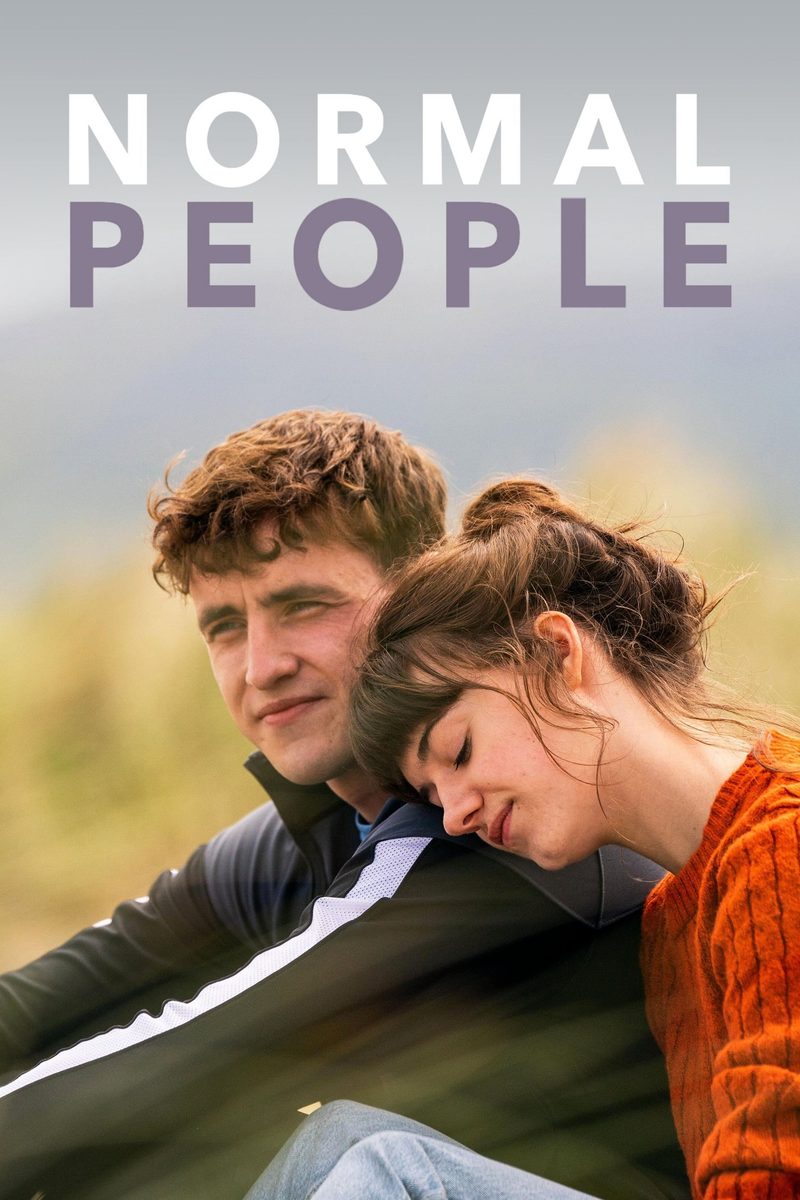
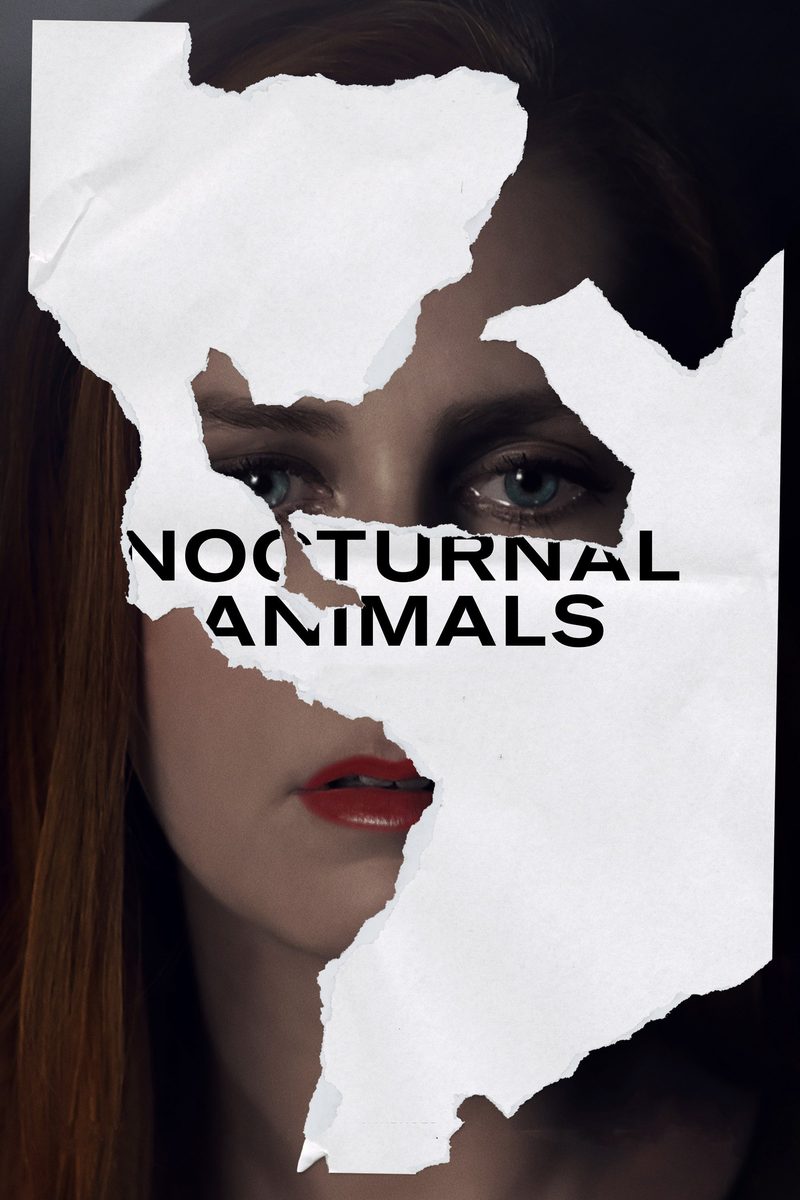
Oh my god — this was absolutely not what I expected. The trailer did such a good job disguising what this movie actually is that even after seeing a few comments on Letterboxd beforehand, the twist still genuinely caught me off guard.
Looking back, though, it’s actually a very sharp piece of political commentary on America’s gun violence crisis, while also working as a clever metaphor for marriage itself. The film basically traces this couple’s emotional journey leading up to their wedding day and keeps asking: do we really know the person sleeping next to us every night? Rachel and Charlie are such ordinary names, the most normal couple names imaginable, and maybe that’s part of what makes it work. It suggests that this kind of story — this kind of hidden violence, confusion, compromise, and mutual blindness — may be unfolding around us every day.
That’s what I found most interesting about it. As a marriage metaphor, it’s kind of brutal. There’s conflict, there are unknowns, there are terrible things the other person may have done, and yet the question becomes: do you still choose to forgive them, say “I love you,” and commit to living with them for the rest of your life?
Robert Pattinson was really well cast here. He captures the character’s weakness, cowardice, and inner conflict very convincingly without losing its emotional core. Zendaya is also great at carrying this slightly eccentric, off-kilter energy. And Rachel, as the woman giving the wedding speech, was cast especially well too. That character felt so vivid to me because she embodies a certain kind of self-righteousness: someone who can do terrible things, remain completely self-centered, and still see herself as morally correct while being much harsher toward people of color. She almost feels like a symbol of a society that tolerates its own violence and hypocrisy while projecting blame elsewhere.
Tonally, this is not really a romantic comedy to me at all. It feels much closer to black humor built around absurdity, discomfort, and emotional disturbance. Some parts are bizarre, upsetting, and intentionally hard to sit through, especially the physical vomiting scenes, which I think are meant to make the audience genuinely uncomfortable.
I also really loved the craft of it. The editing is especially strong, particularly in how it blends imagination and reality so fluidly, and in the way it externalizes the characters’ inner thoughts instead of keeping them buried as subtext. I also liked the structural choice of using the preparation of a wedding speech as a slicing point back into how they first met. That device could have felt overly cute or artificial, but here it actually works, because it keeps folding public performance, memory, fantasy, and private truth into each other. Even their apartment design adds to that effect. After the staircase, the living room has such a specific New York apartment feeling, which makes everything feel more intimate, claustrophobic, and lived-in. The cinematography also has a very Celine Song-like quality to it, with its filmic texture and its portrait of young American petit-bourgeois urbanites.
This kind of film is not something the market gives us a lot of anymore, which is why I can see it becoming a commercial success in a way that still carries A24’s heritage: strange, edgy, tonally risky, but still accessible enough to pull people in. Not a personal favorite, but definitely a strong one for me.
A very polished, lightly sweetened Chinese romance — industrial in form, but sincere in feeling. The film isn’t really about love surviving; it’s about how reality slowly wears it down, and how two young people struggle just to stay afloat in a big city.
The argument scenes in the middle feel painfully real. She loves him and wants him to share his worries, to let her carry some of the weight. He loves her too, but his pride won’t let him. As a man, he believes he has to absorb everything alone — the pressure, the responsibility, the unspoken expectation to stand tall no matter what.
I know the emotional beats are carefully designed, but I still teared up when Divorce in Ghana comes in — just a song, but it lands hard in that moment. And that final exchange — the shared smile — feels like a Chinese echo of La La Land or We Made a Beautiful Bouquet: love that was real, meaningful, but ultimately couldn’t outrun life.
The performances are grounded and believable. I also found the title translation interesting — the Chinese title would literally be Breakup List, yet it’s named Love List in English. That small shift says a lot about what the film wants to hold onto.
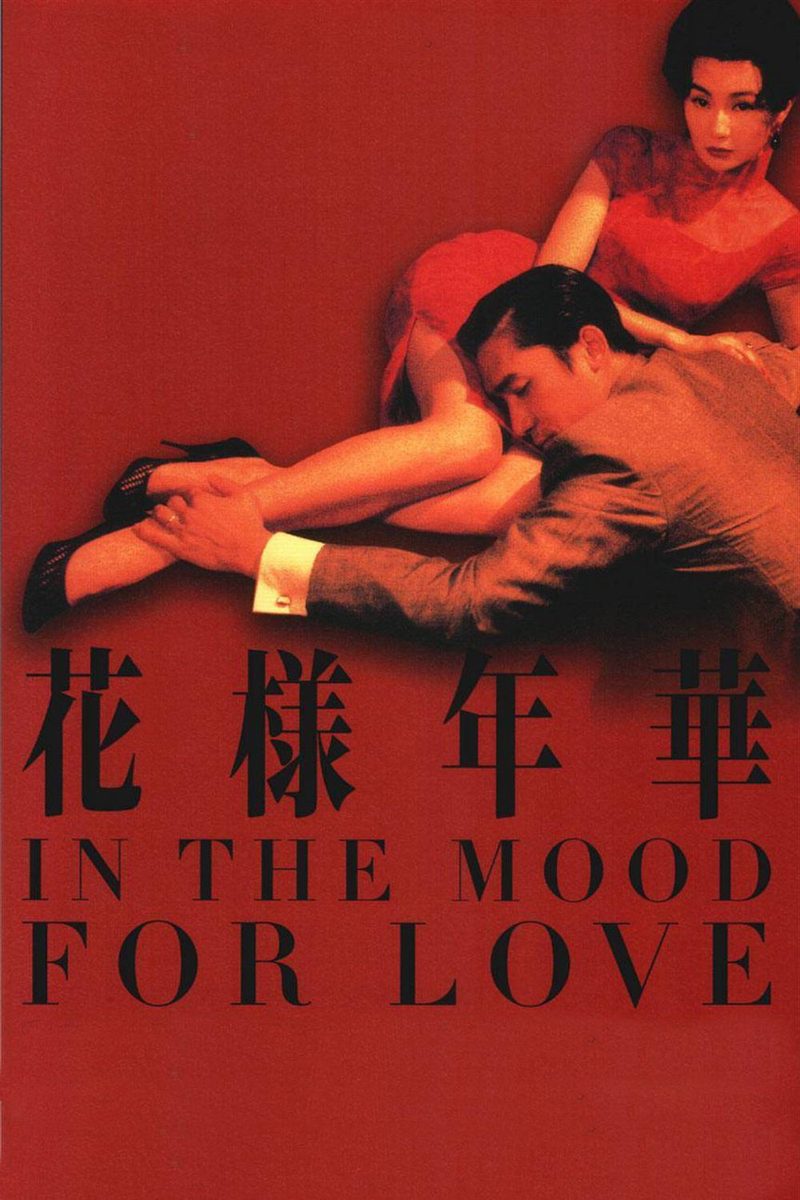
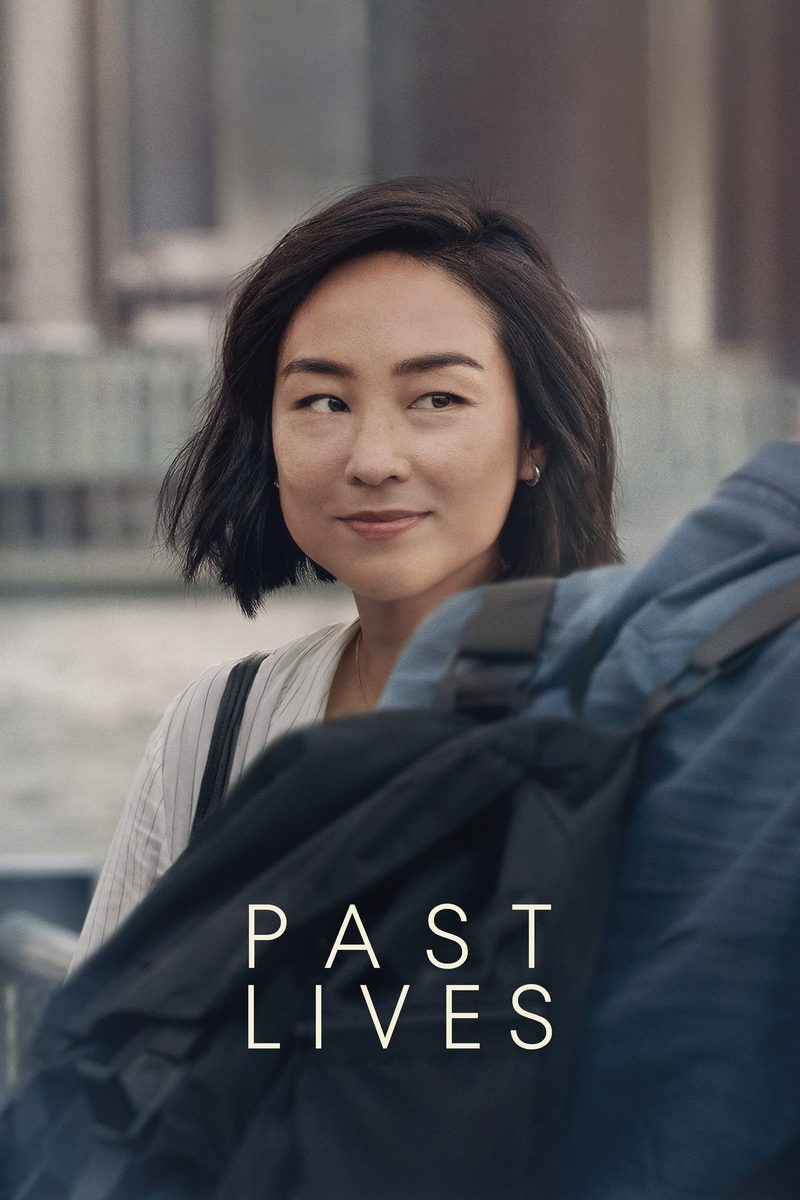
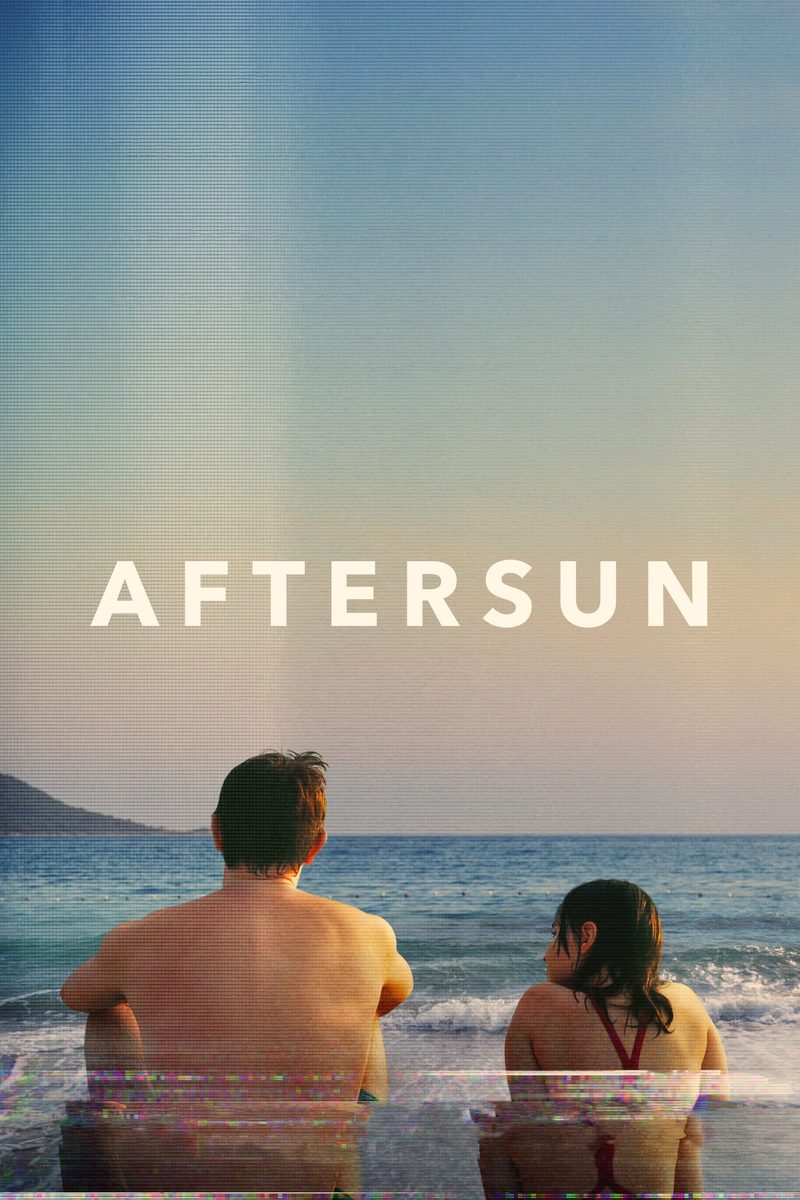
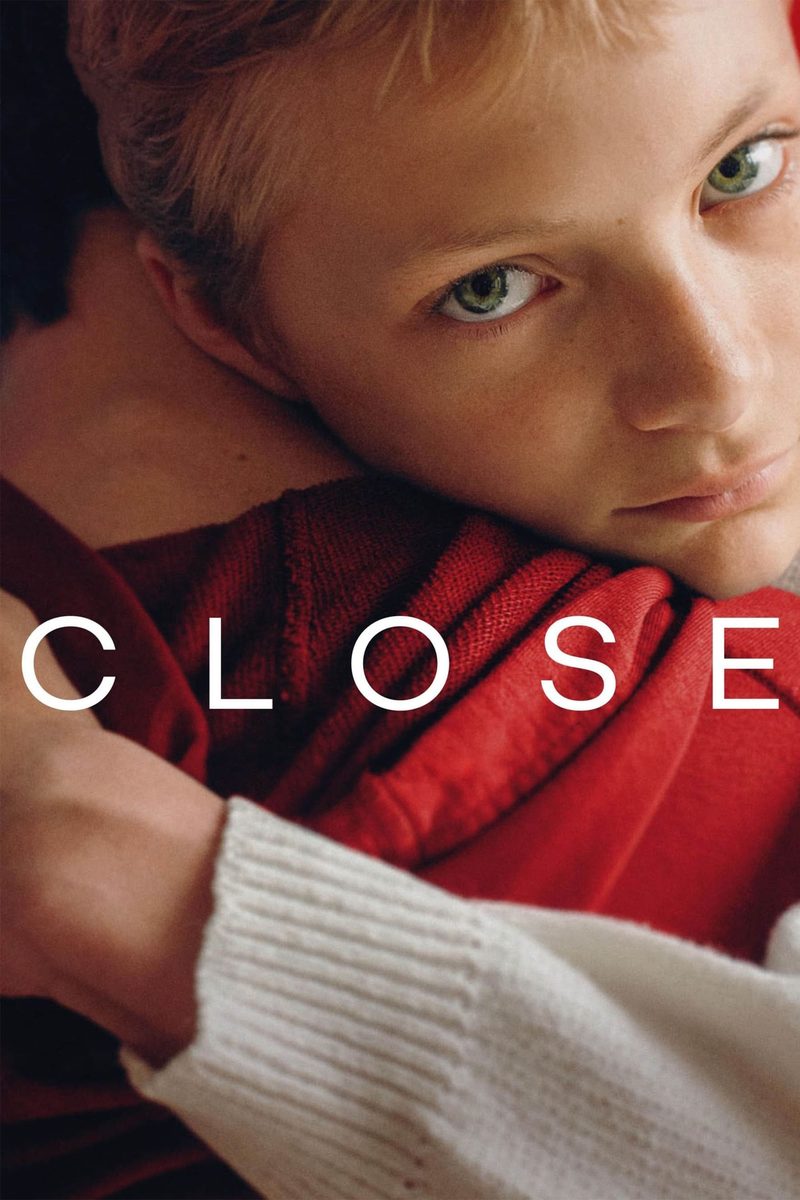
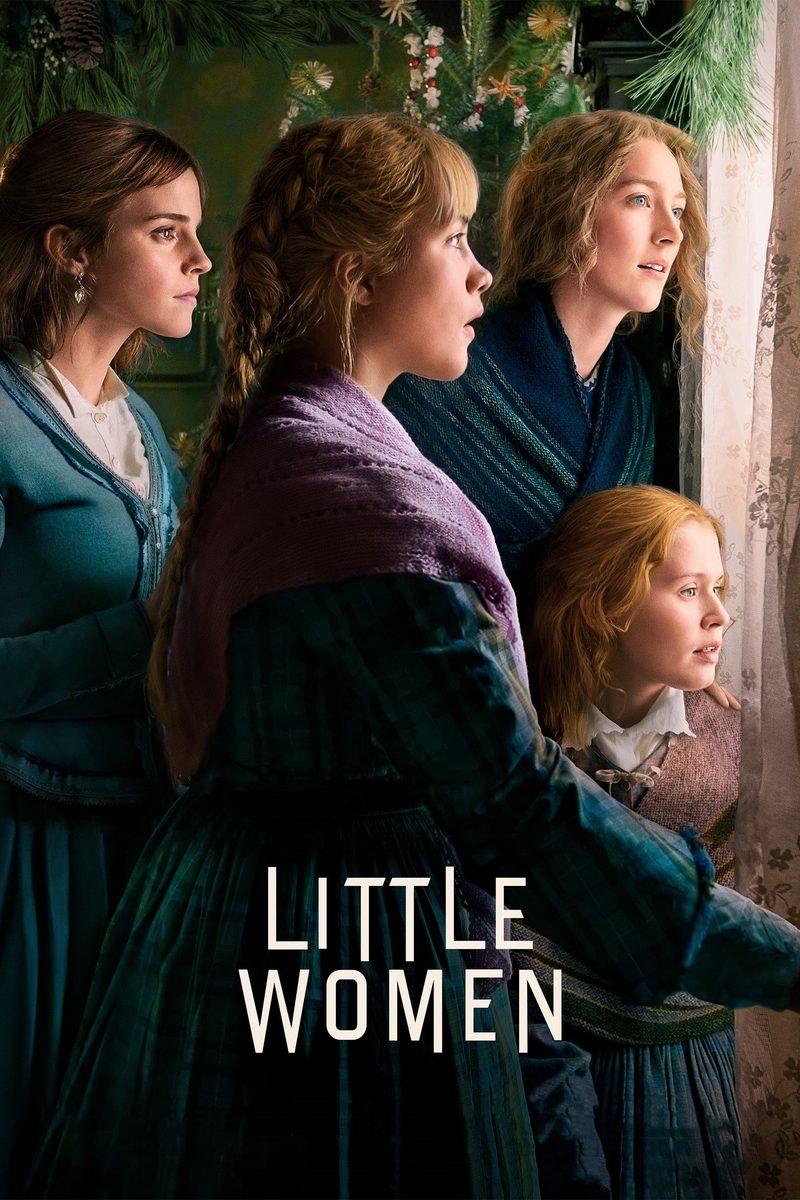
A small compass — eight films I keep returning to. The patterns here are not accidents.
If you’ve come this far — thank you.
These pages are not for everyone. They’re for the people who still believe in slow looking, in stories that take their time, in the quiet courage of becoming.
Whatever brought you here — a friend’s link, your own curiosity, some quiet trust — I hope something in this work reminded you of something you already knew about yourself. That the dream you set down is not gone. That the version of you who wanted it — stubborn and tender, brave and afraid — is still inside, waiting to be allowed back.
Keep writing. Keep filming. Keep dreaming. Not because the world has been kind to dreamers, but because the world has always needed them. And because the best of this life — the films we haven’t yet made, the stories we haven’t yet told, the people we haven’t yet become — is still ahead of us.
I’ll meet you there.